


On-body carry has a reputation for being uncomfortable, especially for women navigating everyday wardrobes that weren't designed with carry in mind. A concealed carry belly band offers a flexible, body-close option that works under a much wider range of clothing than most people expect. But wearing one well takes a little knowledge, because where you position it, what you wear over it, and how you build the habit all play a significant role in how comfortable and effective it actually turns out to be.
This post covers everything you need to know: what a belly band is, how to position it for your body and your wardrobe, what to wear over it, and how to develop the kind of daily comfort that makes on-body carry feel completely natural.
What a Concealed Carry Belly Band Actually Is
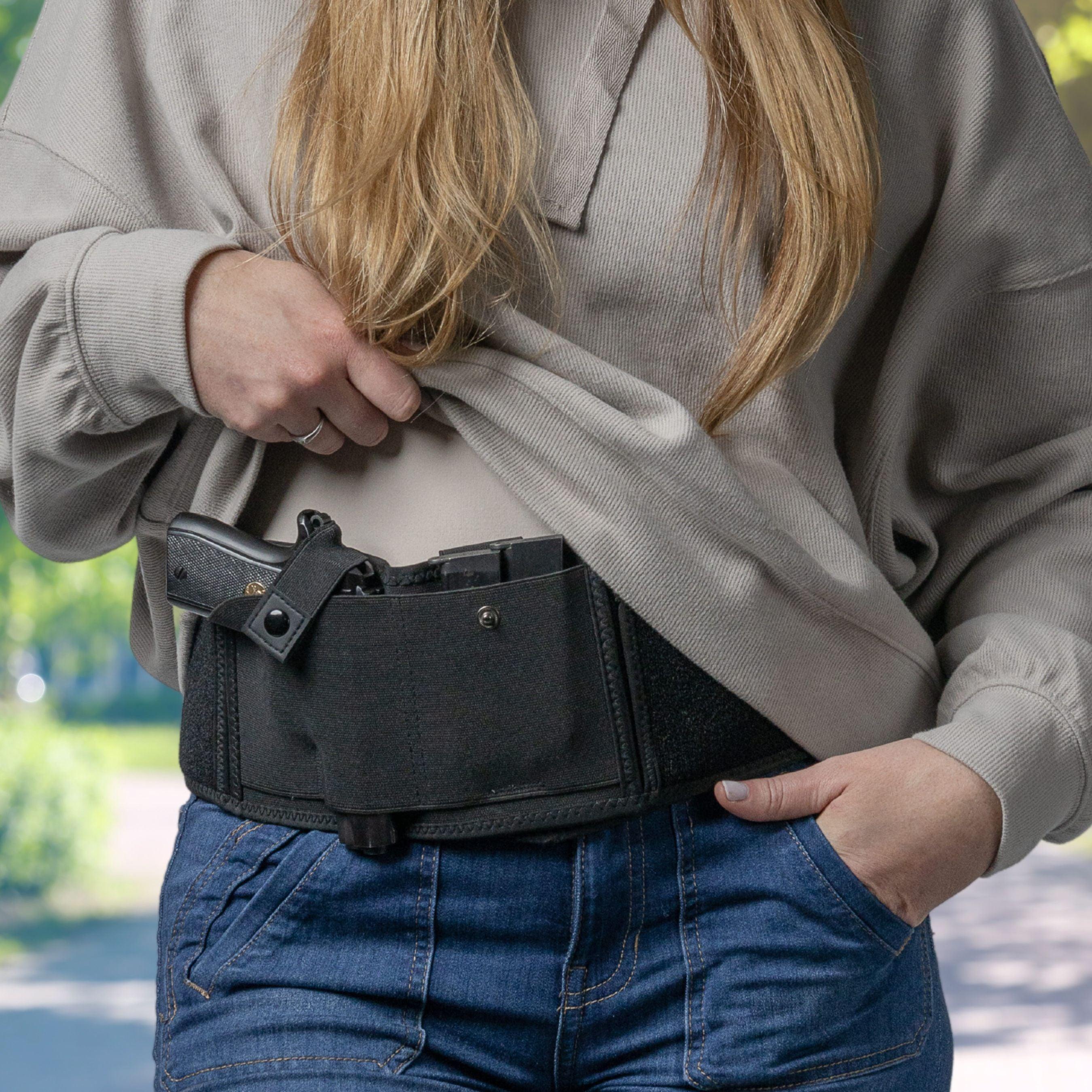
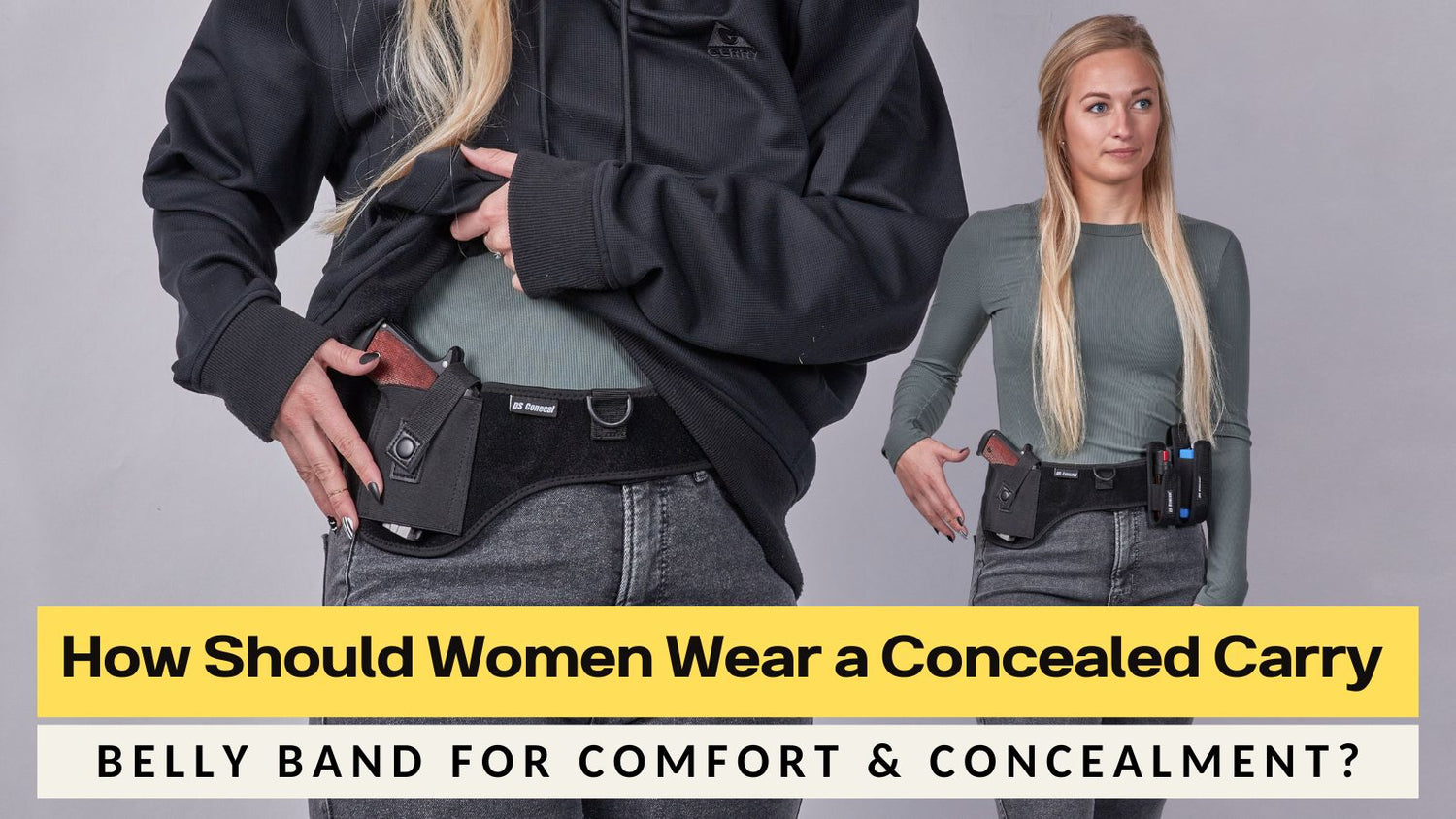
A concealed carry belly band is a wide elastic or fabric band worn around the torso, typically around the waist or ribcage. It includes a built-in holster pocket designed to hold your carry piece securely close to the body, under clothing, with no external sign of what's there.
Unlike a traditional holster that attaches to a belt or waistband, the belly band wraps around the torso and stays in place through compression and fit. This makes it compatible with clothing that doesn't have a proper belt, including dresses, athletic wear, and the high-waisted styles that have become a staple of modern women's fashion.
The concept is simple: wear it under your clothes, carry discreetly, and move through your day without anyone around you knowing. Executing it comfortably, though, takes a bit of practice and the right setup, which is exactly what this post is here to walk you through.

Must Have Products
Choosing the Right Belly Band Before Anything Else
Before positioning becomes relevant, you need the right band. Not all belly bands are built equally, and the wrong one makes comfort nearly impossible, regardless of how thoughtfully you try to wear it.
Fit is the first factor. A belly band should be snug enough to stay in place and hold securely throughout the day, but not so tight that it restricts breathing or leaves marks after a few hours. Look for adjustable options that let you dial in the fit precisely rather than having to choose between two vague size categories.
Material matters more than most people realize at first. Neoprene and thick elastic retain heat and can feel suffocating in warmer months or during more active days. Breathable, moisture-wicking fabrics make a significant difference for all-day wear, especially in summer or if you run warm naturally. This one detail separates belly bands that get used daily from the ones that get abandoned after the first uncomfortable afternoon.

The holster pocket placement should allow you to draw naturally with your dominant hand. Some bands are designed with the pocket fixed on one side, while others offer more flexibility. Test this in the store or at home before committing to make sure the draw feels intuitive rather than awkward.
Finally, check retention. The holster pocket should hold your carry piece firmly and consistently. If the band relies on Velcro alone with no additional grip or structure, look for a more secure option before you rely on it.
Where on the Body to Wear It
This is where most of the comfort and concealment questions get answered, because band position affects everything from how the band feels throughout the day to how well it hides under your clothing.
Wearing the band at the natural waist, sitting just above or below your waistline, is the most common position. It's easy to access, works well under untucked shirts and loose tops, and feels familiar for women who have worn a waistband holster before. It's a good starting point for anyone new to belly band carry.
The ribcage position places the band higher on the torso, closer to the bra line. This works particularly well under blazers, structured jackets, and longer tops. It's also a good option for women who find the waist position uncomfortable due to body shape, posture, or the style of clothing they wear most often.
Appendix carry, where the holster pocket sits at the front of the body near the hip, is popular for its quick and natural draw angle. It pairs well with fitted clothing because the carry piece sits flat and forward rather than at the side, making it easier to conceal under clothing that moves with the body.
There is no single correct position, and most women need to try a few before they find what works best for their body, their dominant hand, and the clothes they wear most. Try different positions at home during regular activities and pay attention to where things shift, create pressure, or feel less accessible than they should.

What to Wear Over a Belly Band for True Concealment
A belly band does the structural work, but your clothing choices complete the concealment picture. Getting both right makes the difference between carry that disappears and carry that prints or creates visible discomfort.
Flowy tops and tunics are the most forgiving option for waist or ribcage placement. The fabric drapes away from the body and moves naturally without clinging to the band outline underneath. Linen, rayon, and lightweight jersey all work beautifully.
For athletic wear, look for belly bands specifically designed to pair with performance fabric clothing. Some bands are built thin enough and with enough grip that they work under fitted athletic tops, but testing at home before your first active day out is essential.
Layering adds concealment without complication. A light cardigan, an open button-down, or a casual jacket worn over a basic top is one of the simplest and most reliably effective combinations for eliminating any chance of the band showing.
Fabrics to approach carefully: very thin or sheer materials, clingy jersey that maps closely to every contour, and lightweight knits that follow the body exactly. These fabrics can reveal the band outline even when every other element of your setup is correct, so they require a little more planning.
Waistline style matters too. High-waisted pants or skirts can compress or shift a waist-positioned band over the course of a day. Experimenting with mid-rise options or adjusting the band to the ribcage when pairing with high-waisted bottoms usually solves this quickly.
Tips for All-Day Comfort
Even the best belly band takes some personal adjustment for all-day wear. Building that comfort takes a little time and a few practical habits, but it becomes completely manageable once you've worked through the learning curve.
If you're sensitive to elastic or prone to irritation from anything compressive against your skin, wear a thin underlayer between your skin and the band. A fitted tank top or a seamless camisole works well and adds very little bulk to the overall setup.
In warmer months or climates, the breathability of your band fabric is genuinely important. Heat and humidity under a band that doesn't breathe become uncomfortable quickly, and discomfort is one of the most common reasons women step away from on-body carry before they've fully given it a chance. Choose a band designed for breathability if you live in or travel to warm areas.
Rotate the band position slightly throughout the day if you feel persistent pressure in one spot. A small adjustment up or down a few centimeters often relieves localized pressure without compromising access.
If you're new to belly band carry, start with shorter wear periods and build from there. A few hours at a time lets your body adjust to the compression and the new weight distribution. Building up to full-day wear gradually over the first couple of weeks makes the transition feel natural rather than forced.
Practice your drawing at home, regularly and without rushing. The goal is for reaching and accessing the band to feel completely automatic so that in any moment where you need it, your hands already know exactly what to do. Confidence in your draw comes from repetition during calm, quiet practice, not from urgency.

On-Body Carry That Works With Real Life
A concealed carry belly band gives women on-body carry that works with real wardrobes, real schedules, and real daily life. Worn correctly, it disappears under your clothing while keeping your carry piece exactly where you need it. The key is finding the right band for your body, positioning it thoughtfully, pairing it with the right clothing choices, and giving yourself the time to make the habit feel like second nature. Once it does, on-body carry stops feeling like something extra you're managing and starts feeling like simply part of how you move through your day with confidence.
About Lady Conceal
At Lady Conceal, we believe women deserve carry options that fit every part of their lives, not just the moments they're in a specific outfit or setting. While a belly band is a wonderful on-body carry solution, many of our customers also reach for a concealed carry purse when their day, their outfit, or their personal preference calls for something different.
Every Lady Conceal bag is designed specifically for women, with a dedicated concealment compartment, a removable universal holster, and a locking zipper for security. We're a faith-driven, women-owned, family-run business that believes in empowering women to feel prepared and confident wherever they go, in whatever carry style suits them best.
Explore our full range of concealed carry bags at Lady Conceal
Frequently Asked Questions
What is a concealed carry belly band?
A concealed carry belly band is a wide elastic or fabric band worn around the torso under clothing. It includes a built-in holster pocket that holds your carry piece securely close to the body, making it a discreet on-body carry option that works under a wide range of clothing styles, including dresses and athletic wear.
Is a belly band comfortable to wear all day?
With the right band and a short break-in period, yes. Breathable materials, a precise fit, and finding the best position for your specific body all make a significant difference. Most women reach genuine all-day comfort after a week or two of wearing the band for gradually longer stretches.
What size belly band should I get?
Most belly bands are sized by torso measurement, and many are adjustable within a range. Measure around your natural waist or the area where you plan to wear the band, and compare it to the brand's sizing guide carefully. When you're between sizes, sizing up gives you more room to adjust for a comfortable, secure fit.
Can you wear a belly band with a dress?
Yes, and this is one of the primary reasons belly bands are so popular with women. A belly band worn at the waist or ribcage position works beautifully under most dress styles, particularly those with flowing or structured skirts. The key is choosing the right position for your dress length and silhouette and testing the combination at home before you wear it out.
How do I draw from a belly band quickly and smoothly?
Through practice. Smooth, efficient access to a belly band comes from repetition at home until the motion becomes completely natural and automatic. Position the band consistently in the same spot each time you wear it, use the same draw motion every practice session, and focus on building confidence rather than speed. Speed comes naturally from familiarity, not from rushing the process.

Leave a comment
This site is protected by hCaptcha and the hCaptcha Privacy Policy and Terms of Service apply.