


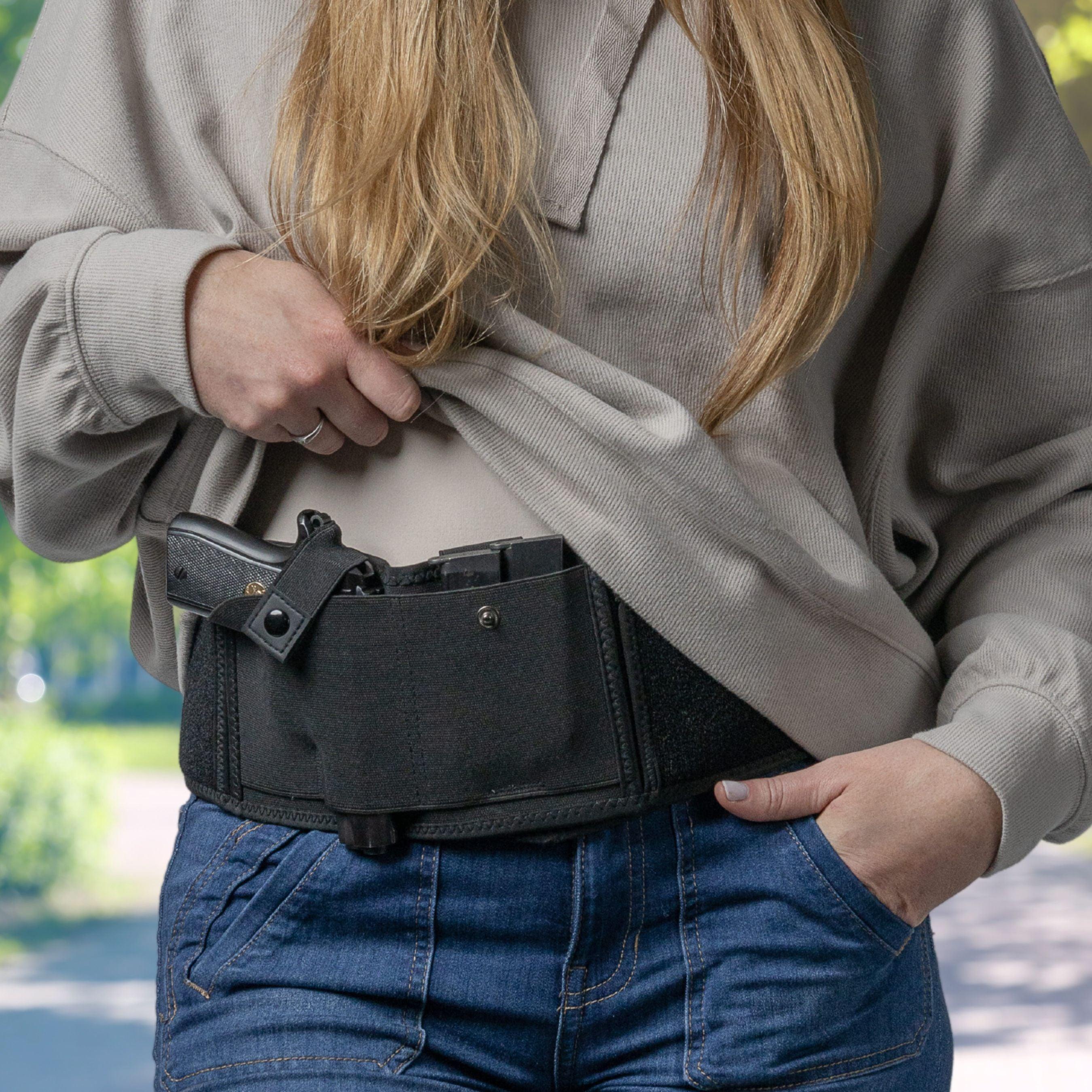
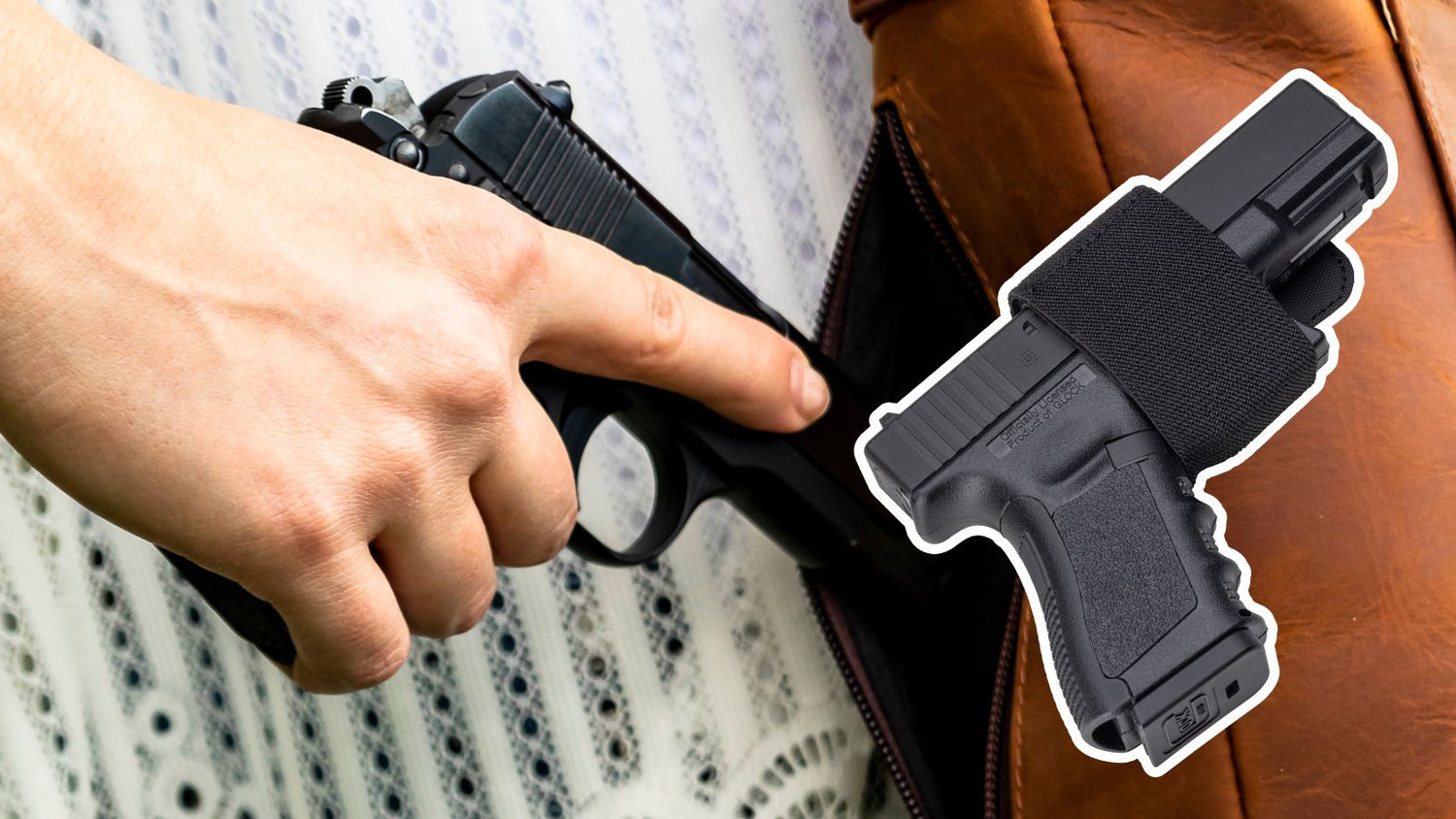
Choosing a Glock 19 concealed carry holster can feel overwhelming at first. With so many styles, materials, and structural differences, it’s natural to wonder which one provides the right balance of comfort, stability, and confidence for daily preparedness. But the process becomes clear once you understand how holster design interacts with personal comfort and aligns with the Glock 19’s unique characteristics. When these elements work together, the holster-selection process becomes empowering instead of confusing.
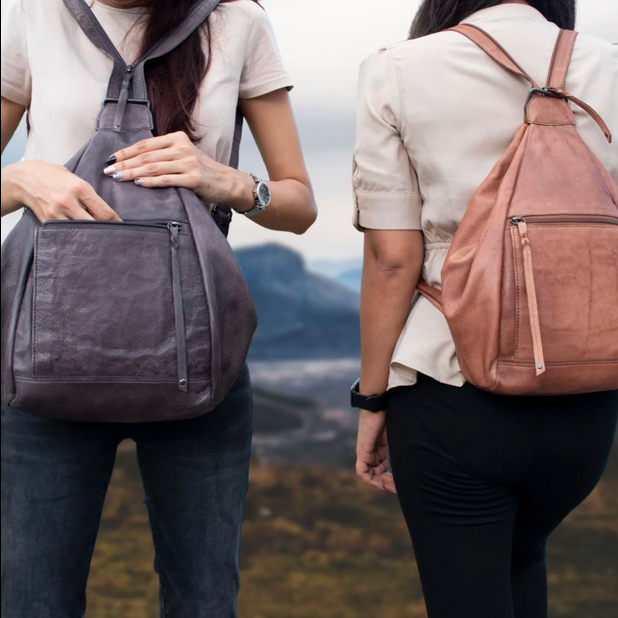
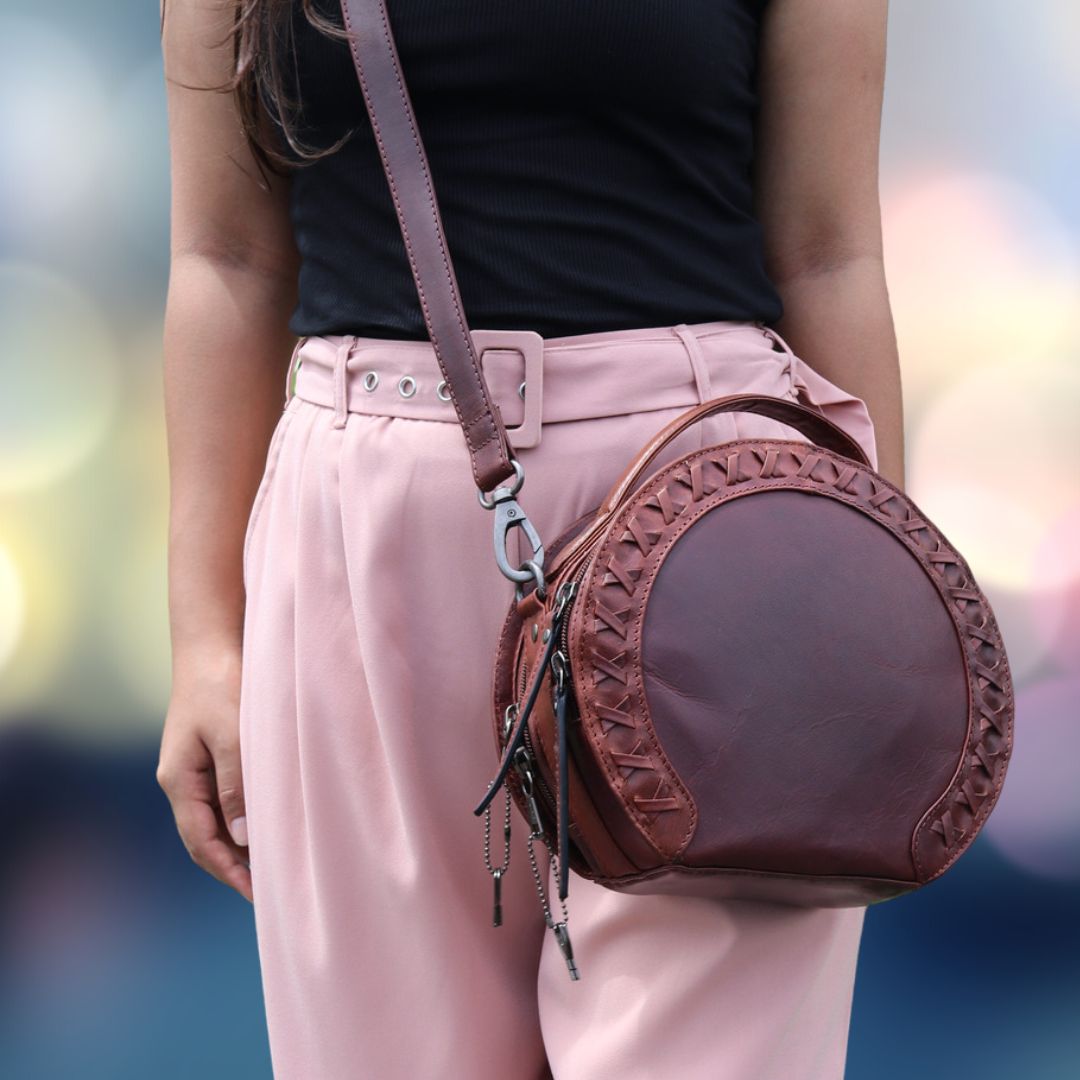
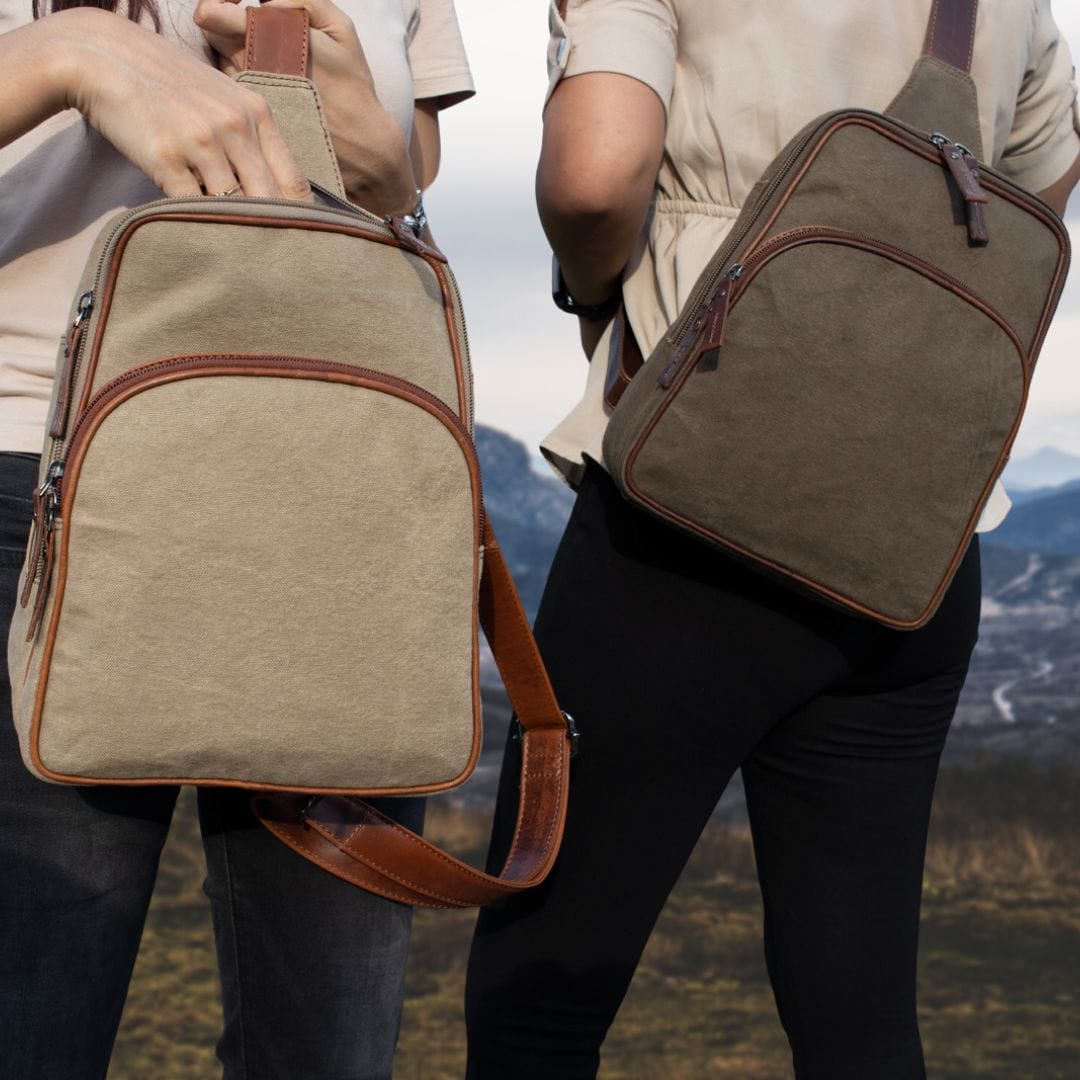
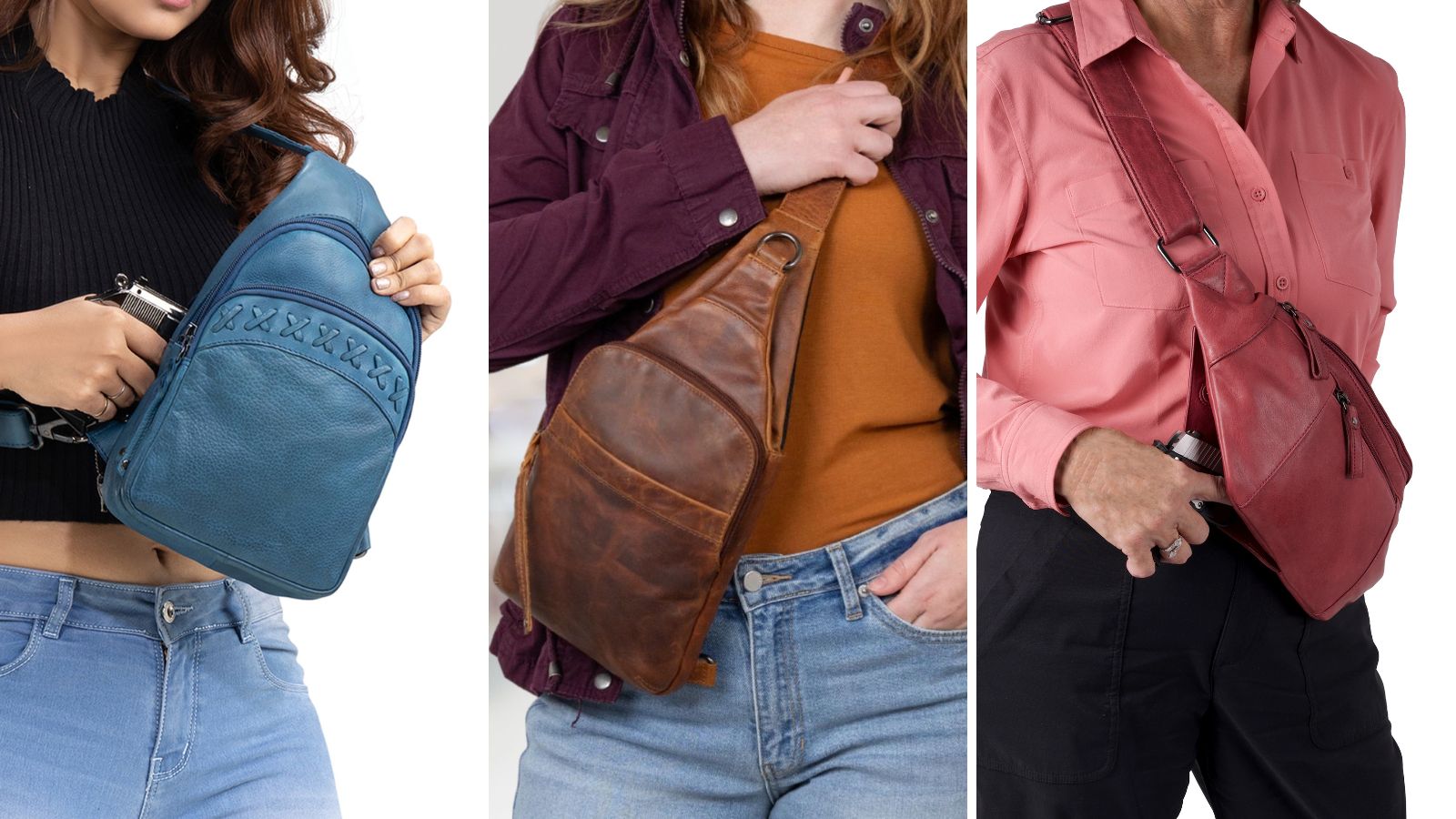
The Glock 19 remains a popular personal protection choice, and that popularity has led to many holster variations. For women who prefer concealed carry bags, crossbodies, totes, slings, or fanny packs, the holster becomes the heart of the setup. It stabilizes the interior, maintains orientation, prevents shifting, and creates quiet, predictable access. With the right holster, preparedness blends naturally with style.
This guide explains what makes a Glock 19 holster unique, how retention and structure shape comfort, how placement affects ease of access, why bag compatibility matters, and how lifestyle needs guide the final choice. With these elements in mind, selecting a Glock 19 concealed carry holster becomes straightforward and intuitive.
What Makes a Glock 19 Concealed Carry Holster Unique?
Understanding the Size and Profile of the Glock 19
The Glock 19 combines compact dimensions with a slightly fuller profile compared to smaller sub-compact models. While still easy to carry, its size requires a holster that offers firm stability. A soft or minimal holster may allow movement that affects both comfort and predictability. The ideal holster supports the Glock 19’s shape without adding unnecessary bulk, preserving a smooth, structured interior, and maintaining the bag’s silhouette.
Why Holster Stability Matters
Stability is one of the most critical features of a Glock 19 concealed carry holster. If the holster shifts inside the pocket, it disrupts balance, creates pressure points, and affects reach. A stable holster holds the item in a consistent orientation, allowing the wearer to know exactly where it sits at all times. This steadiness supports physical ease and emotional confidence throughout the day.
Bag vs. Holster: Understanding the Difference
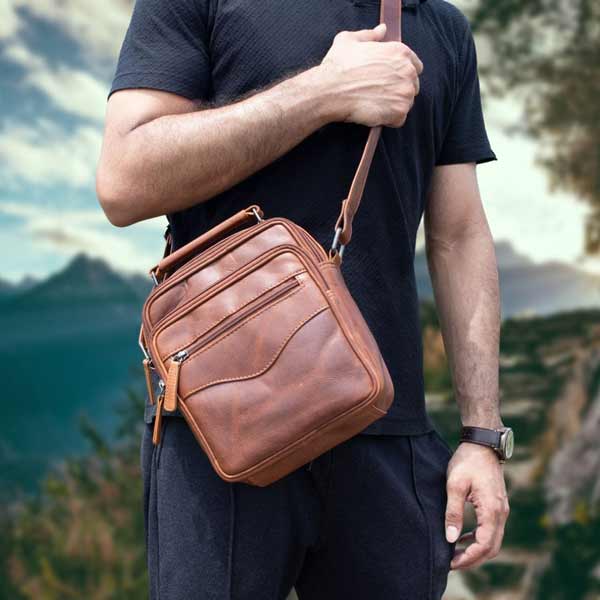
Many beginners confuse the exterior carry method with the holster itself. A tote, crossbody, sling bag, or fanny pack is simply the outside carrying system. The holster is the interior stabilizing component that organizes and secures the contents in the concealed pocket. The bag provides fashion and discretion; the holster provides structure and consistent placement. Knowing this distinction makes the overall setup simpler and more intuitive.
Women-Specific Considerations
Women’s clothing varies widely in fit, structure, and fabric, which means holsters must adapt smoothly to a range of outfits from fitted dresses to layered winter wear. Women also multitask constantly, moving through work, childcare, errands, and public spaces. A holster that prevents bulk, printing, and shifting enhances safety while supporting daily comfort. For many women, predictability is non-negotiable.
Key Features of a Quality Glock 19 Concealed Carry Holster
Structured Retention for Calm, Confident Carry
Retention refers to how securely the holster holds the Glock 19. A well-engineered holster keeps it steady during walking, turning, bending, or reaching. With a compact model like the Glock 19, structured retention reduces unwanted movement and helps maintain predictable positioning. This is less about force and more about steady, consistent readiness.
Durable, Form-Stable Materials
A holster must hold its shape through daily use. Materials that collapse or fold undermine access and orientation. Reinforced or molded materials, nylon blends, synthetics, or similar constructions maintain structure over time. This durability supports long-term comfort, reduces the need for readjustment, and keeps orientation consistent.
Smooth Interior for Snag-Free Access
The inside of the holster should offer low friction, allowing smooth motion. A snag-free interior supports confidence by guiding the item in and out cleanly without catching on seams or stitching. Predictable movement increases familiarity, which strengthens confidence.
Universal or Adjustable Fit for Versatility
A universal Glock 19 concealed carry holster works well for women who use multiple bags or vary their preferred orientation. Adjustable holsters allow angle and placement changes, making it easier to find an intuitive setup. This flexibility supports new carriers who are still discovering which draw angle feels most natural.
Compatibility With Concealed Carry Bags
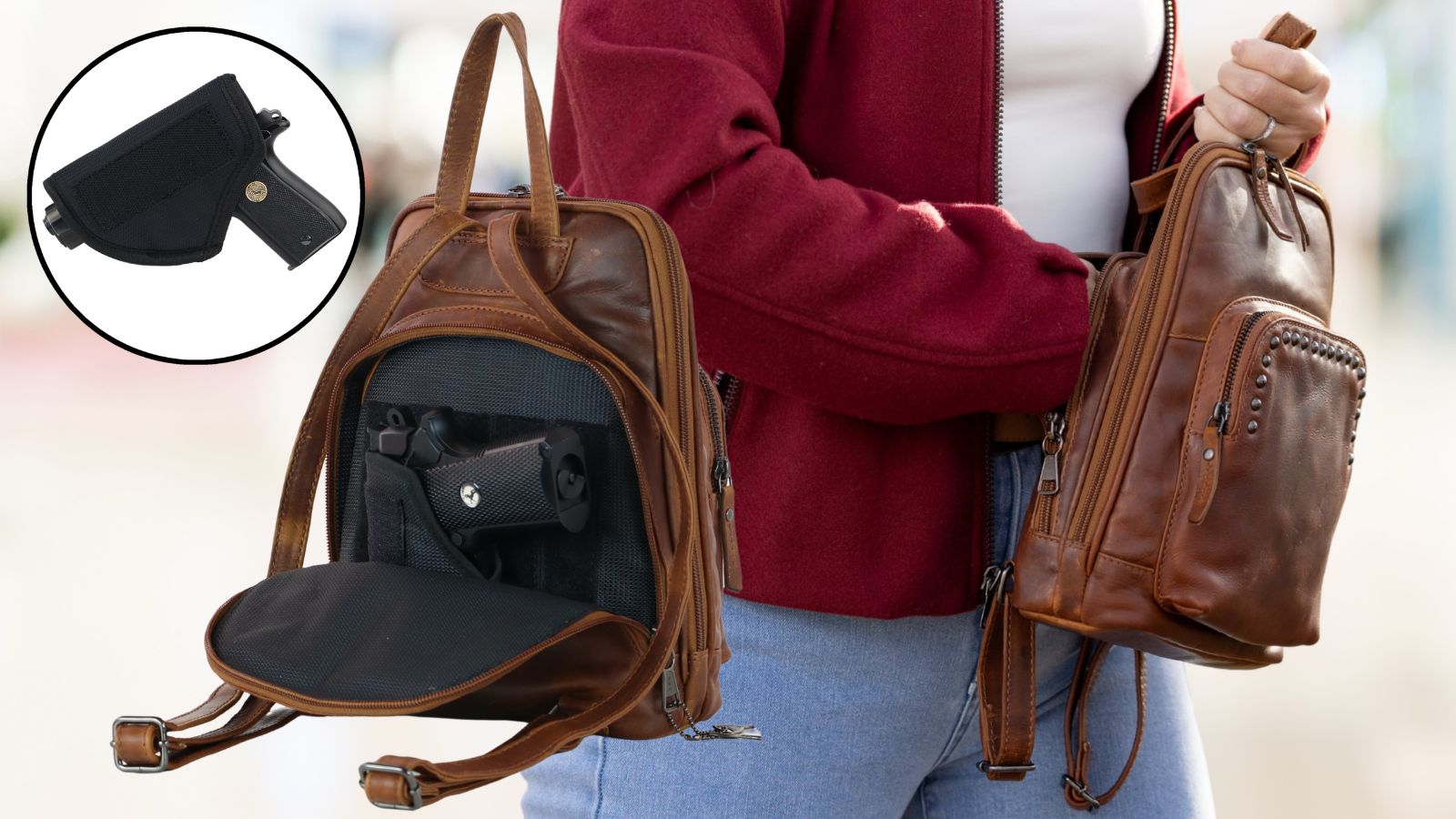
A holster performs best when it fits the bag’s concealed pocket. Compatibility ensures proper balance, easier reach, and smoother movement. When the holster aligns with the pocket’s dimensions and access points, the entire system feels cohesive and comfortable. A compatible fit also minimizes shifting inside the bag.
How Holster Placement Shapes Comfort and Access
Positioning the Holster Inside the Pocket
Proper placement is essential. Many users prefer positioning along the rear interior wall where the holster stays stable during movement. Consistent placement eliminates guesswork and increases readiness.
Matching Draw Orientation to Your Hand Movement
Vertical, horizontal, or angled setups influence comfort and accessibility. Each person’s natural hand motion varies, and dominant hand preference also affects orientation. When the holster’s angle matches natural movement, wrist strain decreases, and access feels intuitive.
How Bag Style Affects Draw Angle
Different bags create different draw paths. Crossbody bags introduce diagonal movement; slings shift weight across the torso; totes provide vertical entry; and fanny packs can be worn horizontally or at an angle. Holster placement should complement the bag’s natural orientation to create a smooth, comfortable motion.
Preventing Tilt and Internal Movement
Any movement inside the concealed pocket reduces efficiency. A holster that collapses or tilts changes how the bag hangs and may press uncomfortably against the body. A structured, well-fitted holster prevents these issues and maintains smooth daily wear.
Simplifying the Choice: Finding the Right Glock 19 Holster for Your Lifestyle
Start With Your Primary Carry Bag
Most women rely on one main bag for daily use. The ideal holster should fit that bag’s concealed pocket, dimensions, and zipper orientation. Beginning with your most-used bag makes the selection process easier and more consistent.
Consider Your Daily Movement Patterns
Your routine determines what comfort means. Active women may prefer an angled orientation. Commuters might prioritize stronger retention. Professionals may prefer low-profile designs. Travelers often benefit from universal holsters that work across multiple bags. Matching the holster to your movement patterns creates ease throughout the day.
Evaluate Comfort Over Long Periods
Short-term comfort doesn’t reflect all-day wearability. Consider how the holster affects the balance of the bag, the distribution of pressure, overall weight, and posture. Comfortable carry should last from morning until evening.
Prioritize Predictability and Emotional Confidence
Choosing a holster becomes easy once you recognize what feels predictable. When placement and movement remain consistent, confidence builds naturally. The feeling of calm readiness becomes the most important factor, not speed or force.
Common Mistakes to Avoid
Using a Holster That Doesn’t Fit the Bag
A holster that doesn’t match the depth or shape of the concealed pocket becomes unstable. Proper fit allows the holster to work smoothly and comfortably.
Choosing a Holster Without Enough Structure
Soft holsters collapse and compromise retention. Structured holsters maintain stability for a compact tool like the Glock 19.
Ignoring Hand Dominance and Draw Angle
Incorrect orientation leads to awkward movement and discomfort. Understanding natural hand mechanics is essential.
Storing Essentials in the Concealed Pocket
Keys, makeup, or other items should never share space with the holster. A dedicated compartment ensures predictable orientation and stability.
The Final Step: Practice, Familiarity & Personal Setup
Routine practice develops comfort and confidence. Smooth, calm repetition builds muscle memory and aligns movement with the holster’s placement. Small adjustments, such as angle or exact positioning, can enhance comfort significantly. Once a setup feels natural, consistency becomes key. Keeping placement, orientation, and bag choice steady builds long-term confidence and ease.
Choosing the best Glock 19 concealed carry holster ultimately comes down to comfort, stability, and alignment with your lifestyle. When you focus on structure, orientation, compatibility, and emotional confidence, the decision becomes simple and empowering. The right holster supports preparedness with elegance, offering a sense of calm assurance throughout the day.
At Lady Conceal, thoughtfully designed personal protection accessories are created to help women feel confident, stylish, and ready in every moment.
Leave a comment
This site is protected by hCaptcha and the hCaptcha Privacy Policy and Terms of Service apply.